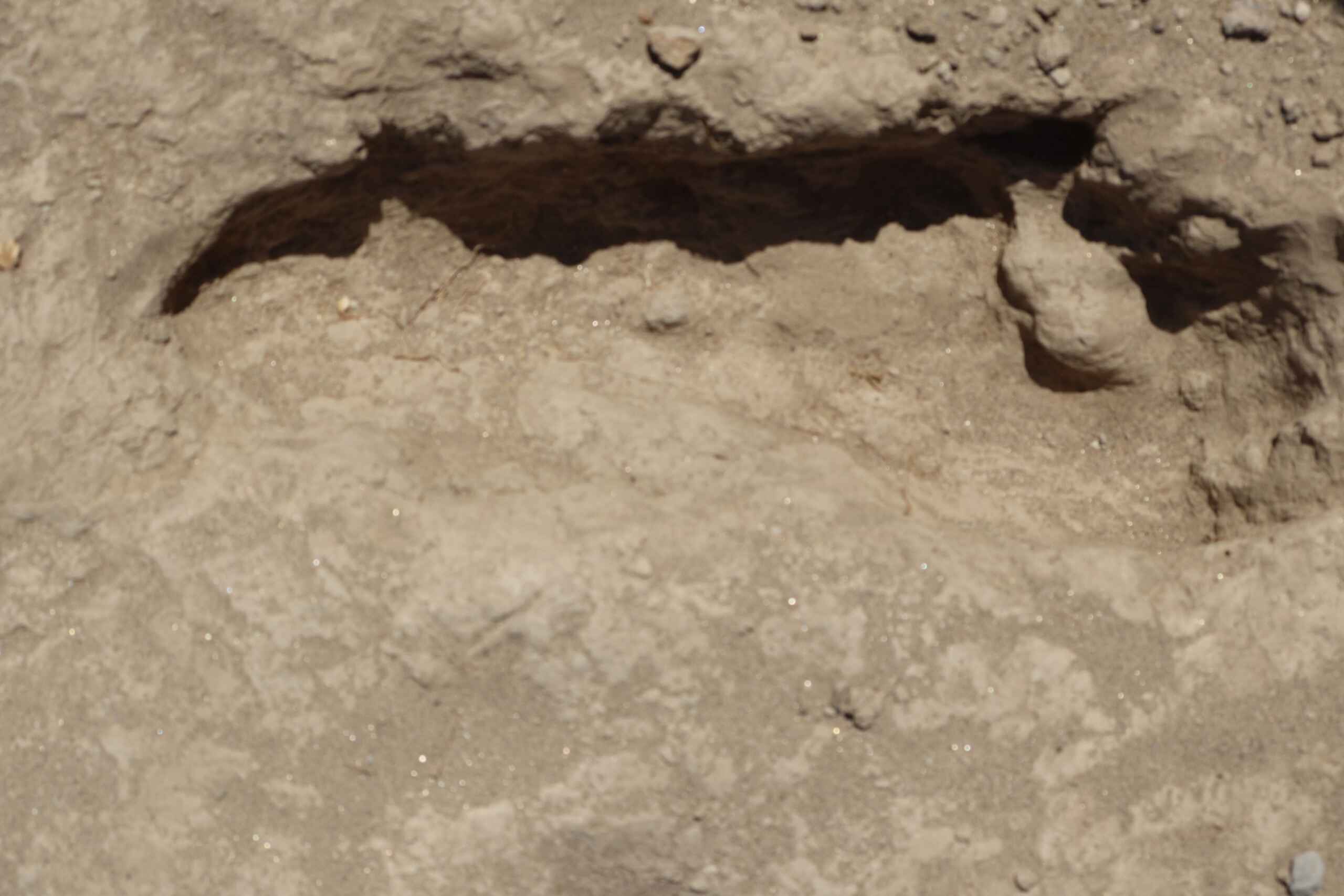


Welcome to Ileret Footprint
Karibu
Nestled on the periphery of Marsabit County in Northern Kenya, the Ileret Footprint Site takes you back approximately 1.5 million years to a time when our early ancestors roamed the Earth. This remarkable site holds the distinction of being Africa’s best-preserved archaeological treasure from this time interval, showcasing invaluable insights into our evolutionary journey.
Changing Landscapes
Shift in Climate
Ileret was not always the dry and dusty desert we see today. Studies suggest that in the past, the waters of what is now Lake Turkana alternated between flowing as a river and existing as a lake. At times, the lake’s levels were significantly higher, covering a much wider area. Evidence of these changes can be seen in the white shells scattered across the region, as well as tracks and fossils of both aquatic and terrestrial animals. Among these fascinating remains are fossils of a 2-million-year-old long-snouted, fish-eating crocodile, offering a glimpse into Ileret's dynamic and diverse past.
Ileret
A special Place
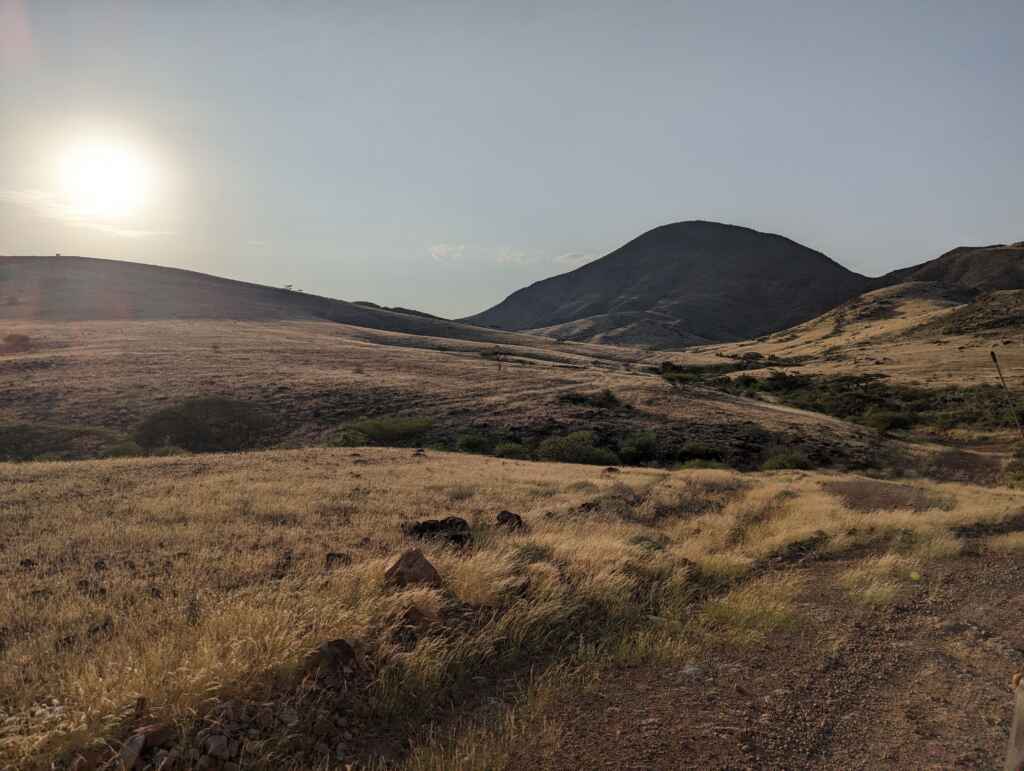
Ileret is a small settlement in the northern part of Kenya, located on the eastern shores of Lake Turkana, near the Ethiopian border. The landscape of Ileret is classified as semi-arid, featuring desert terrain, rocky outcrops, and vast open plains, with the waters of Lake Turkana adding a unique ecological dimension. The climate in Ileret is typically hot and dry, characterized by extreme temperatures and limited rainfall throughout the year. The region experiences two brief rainy seasons, but prolonged droughts are common. Despite these harsh conditions, the area supports several species of animals and is home to some beautiful desert plants.
The Amazing People of Ileret
Origins, Migration, and Settlement
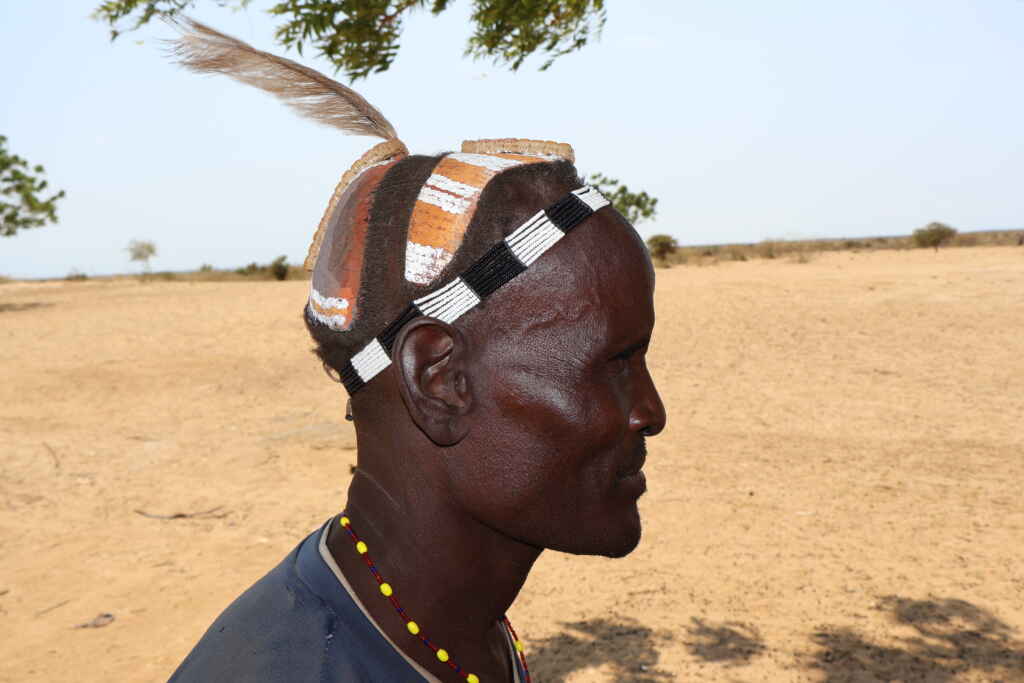
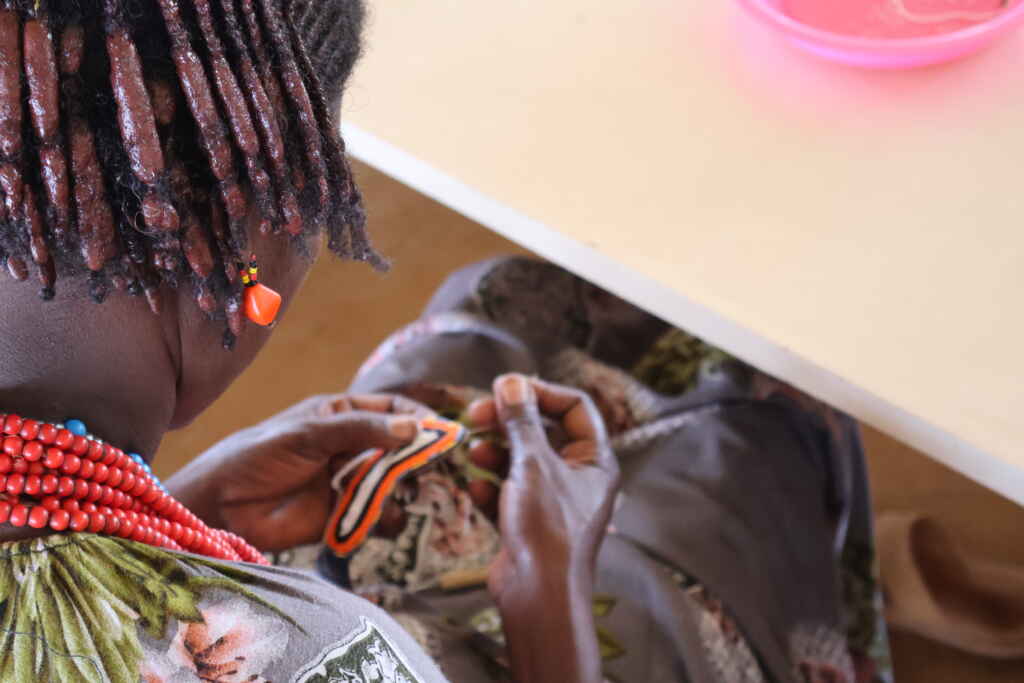
The Daasanach, a Cushitic community, reside in Northern Kenya along the eastern shores of Lake Turkana. They are also found in Southern Ethiopia and parts of Southern Sudan. It is believed that the Daasanach migrated from Ethiopia and initially settled among the Pokot. Modern genetic analysis reveals that they are more closely related to Nilo-Saharan and Niger-Congo-speaking populations than to Cushitic and Afro-Asiatic-speaking groups. This rich cultural and migratory history highlights the diversity and resilience of the Daasanach people.

Science of the Footprints
The Ileret Footprints and Tracks
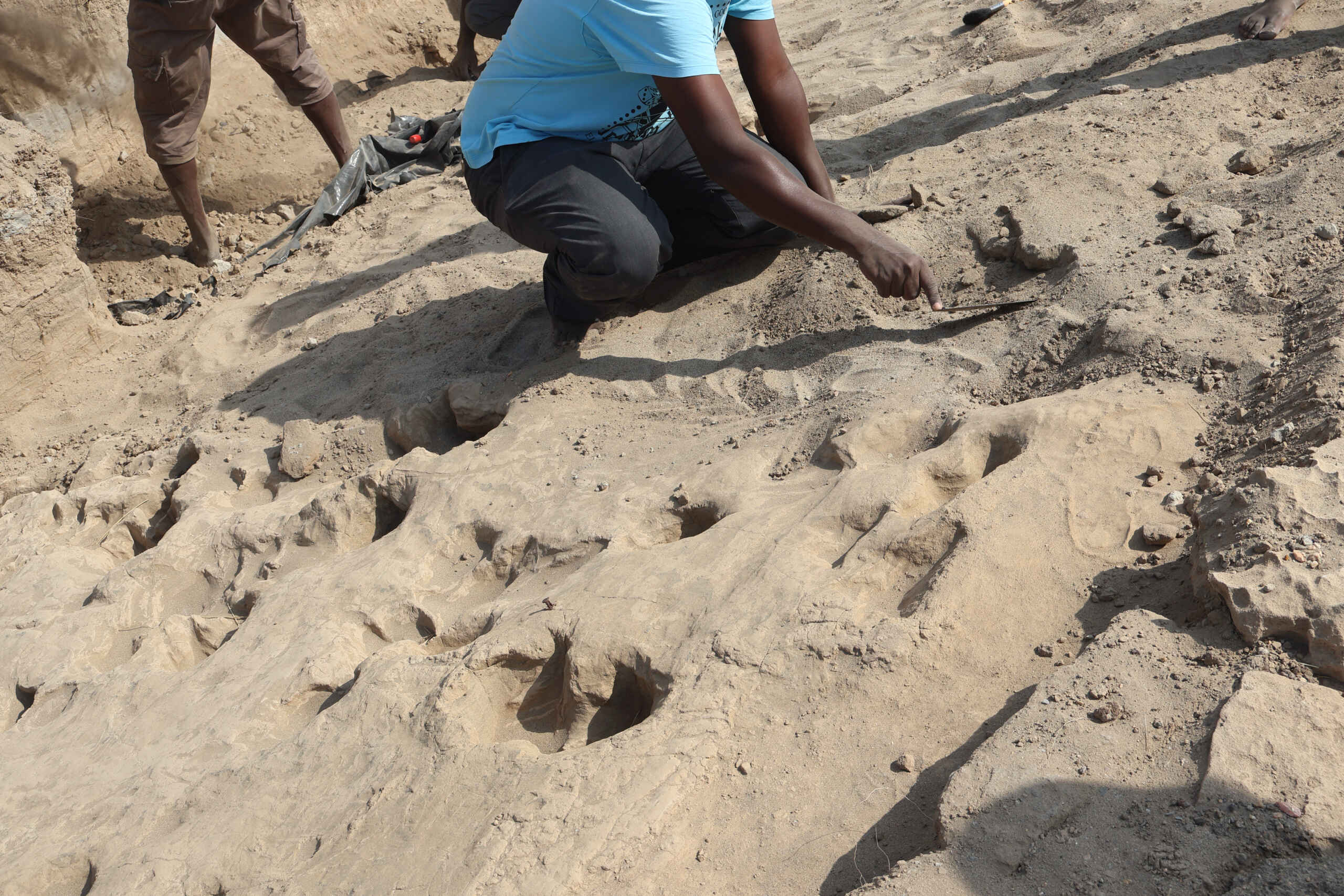
The 1.5 million-year-old Ileret footprints mark a major milestone in human evolution, with at least some of them attributed to Homo erectus. These footprints offer insights into the foot structure and walking patterns of this early human species. The footprints were first observed in 2005, and excavations from 2006 to 2008 uncovered 20 hominin footprints. Continued work at the site revealed 72 hominin footprints by 2014, which were attributed to as many as 18 individuals. In 2023, 11 more hominin footprints were found during the construction of the retaining walls and gabions to protect the site from erosion, bringing the total to 83. Scientific studies have revealed details of the ancient landscape, foot anatomy, bipedal locomotion, and social behavior of these early humans based on the size and number of prints.
The Footprints
Hominin Footprints
The footprints, created by hominins and animals in silty mud near a slow-running river, were preserved when silty sand quickly washed over them. This region, adjacent to an ancient lake, experienced frequent flooding, enabling rapid burial of the prints within hours or days. Fossil discoveries, including colobus monkeys and wood specimens, suggest the presence of wooded and gallery forest settings along the ancient river.